
Building sustainable road safety systems for Africa: from data to implementation and ownership

8–12 June 2026
Lusaka, Zambia
Local organizers: Thomas Miyoba, Denis Mwaba
The conference is organized in close co-operation with the School of Engineering, University of Zambia (UNZA), and Zambia Road Safety Trust, under patronage of the Road Transport and Safety Agency (R.T.S.A.)
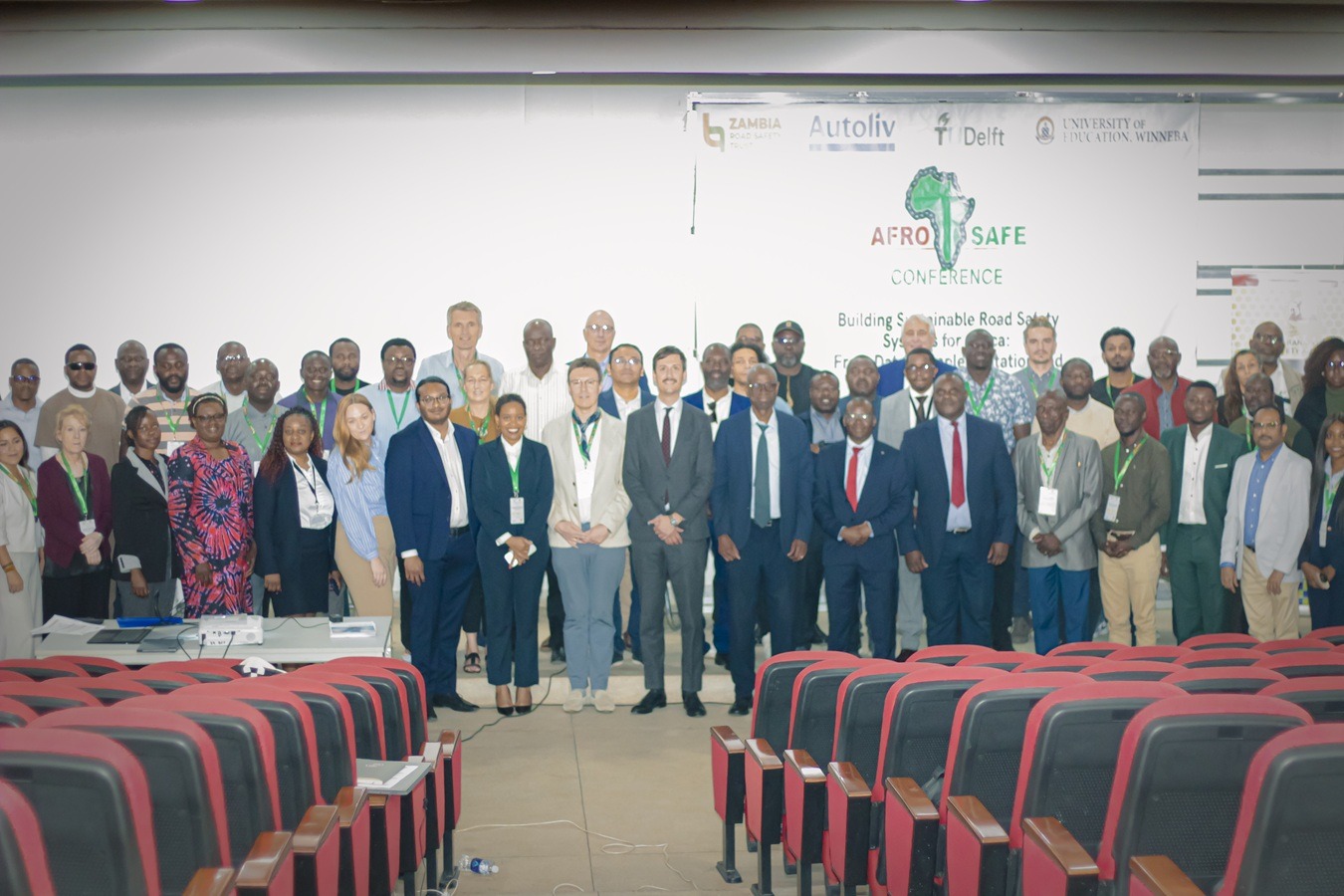
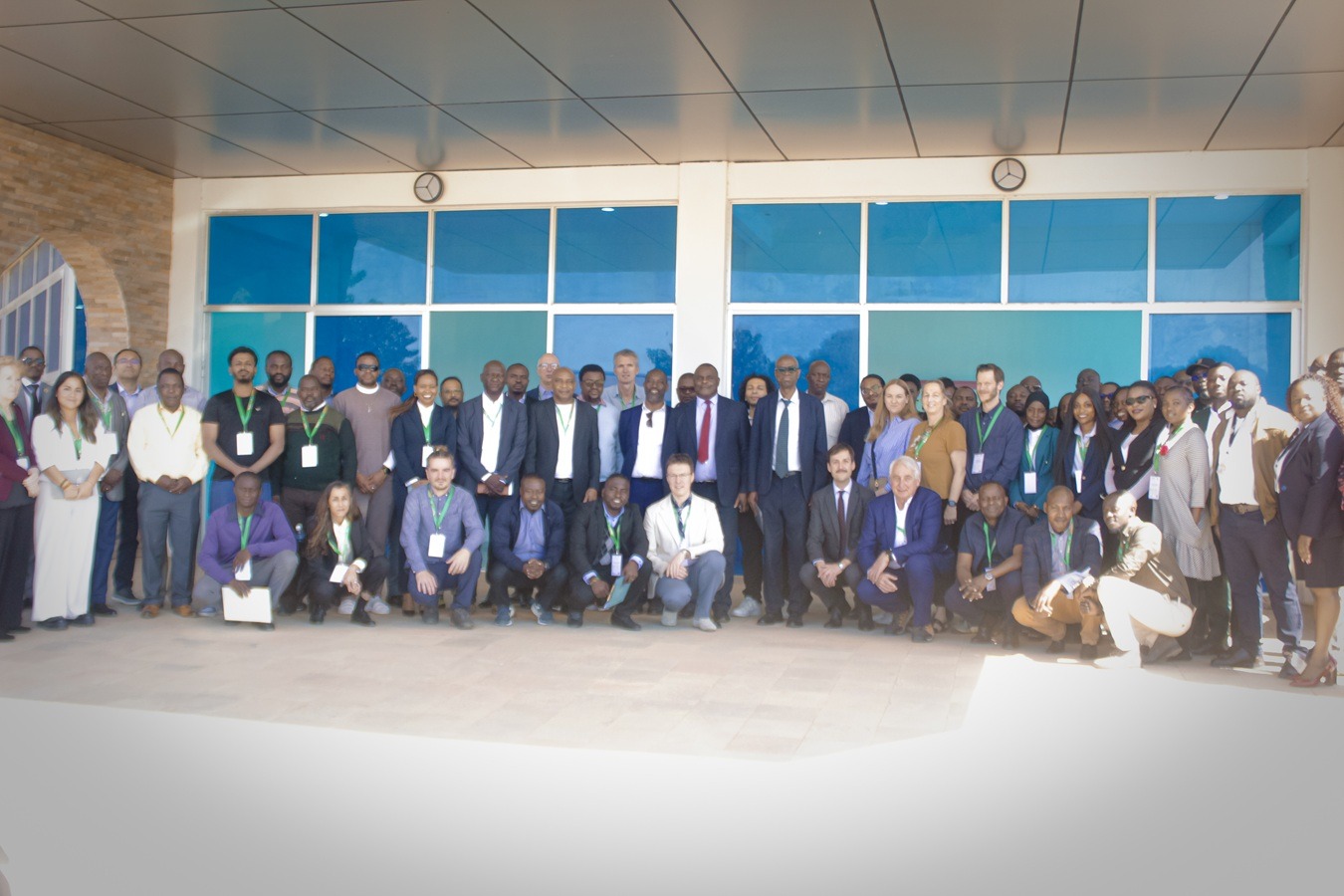
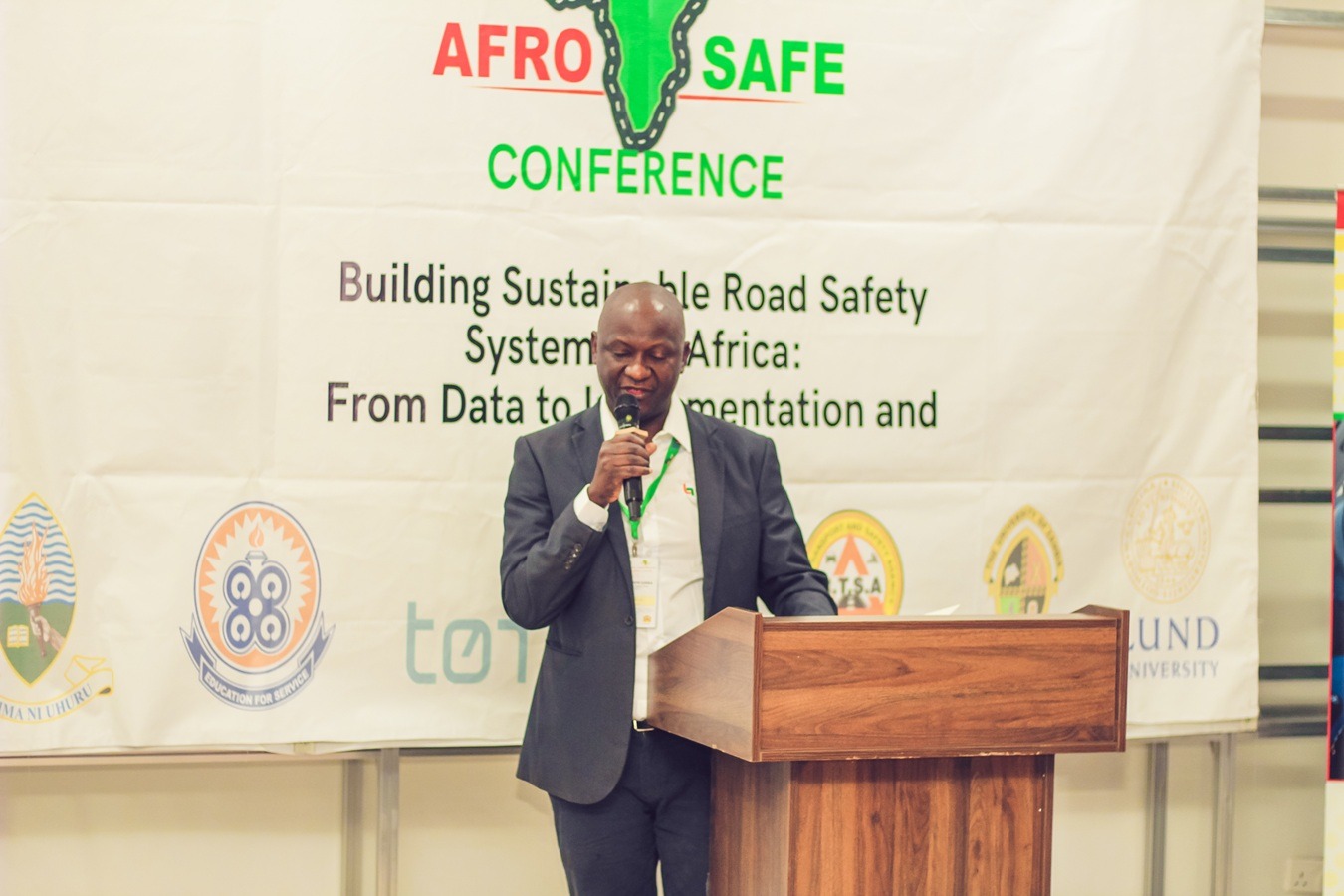
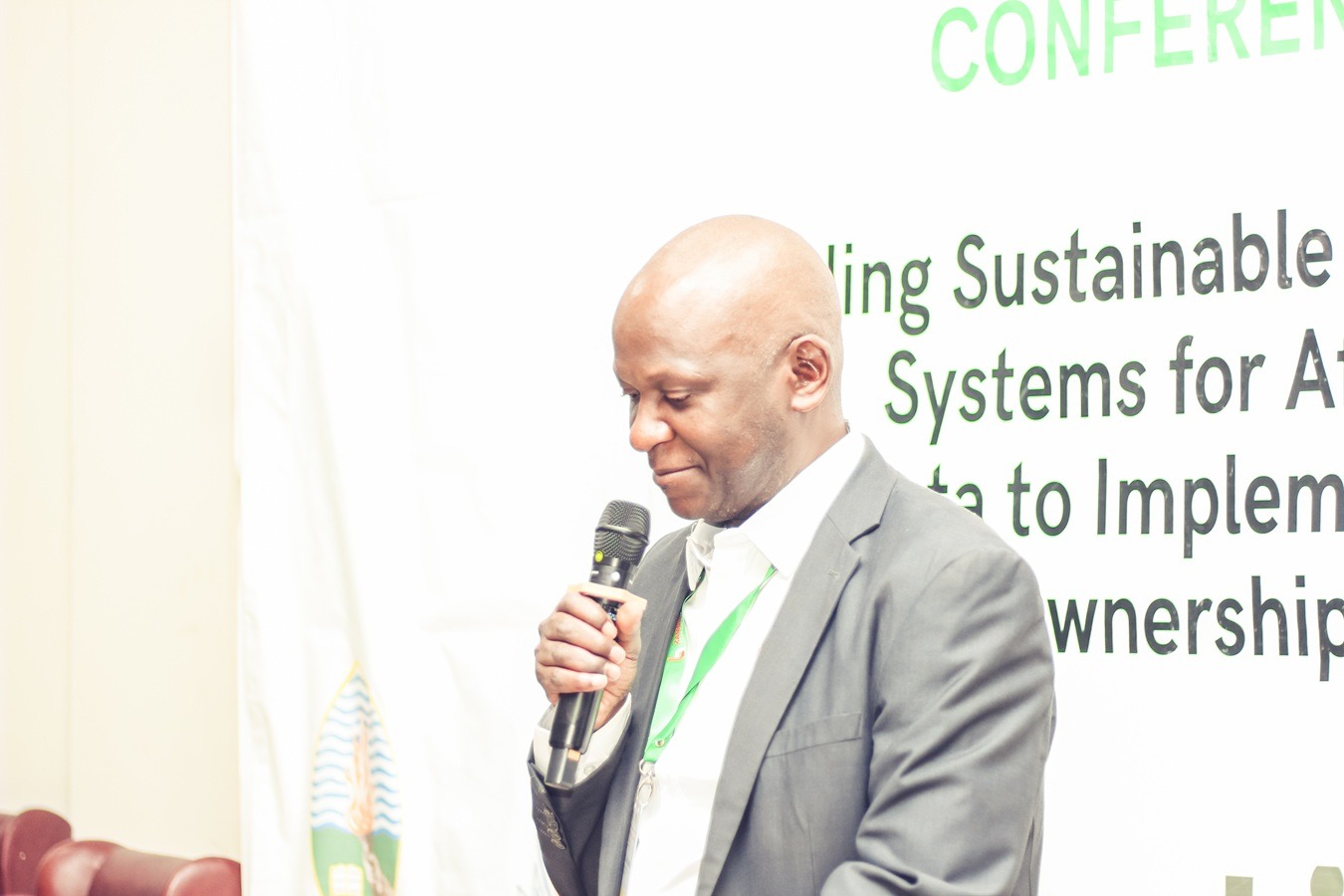

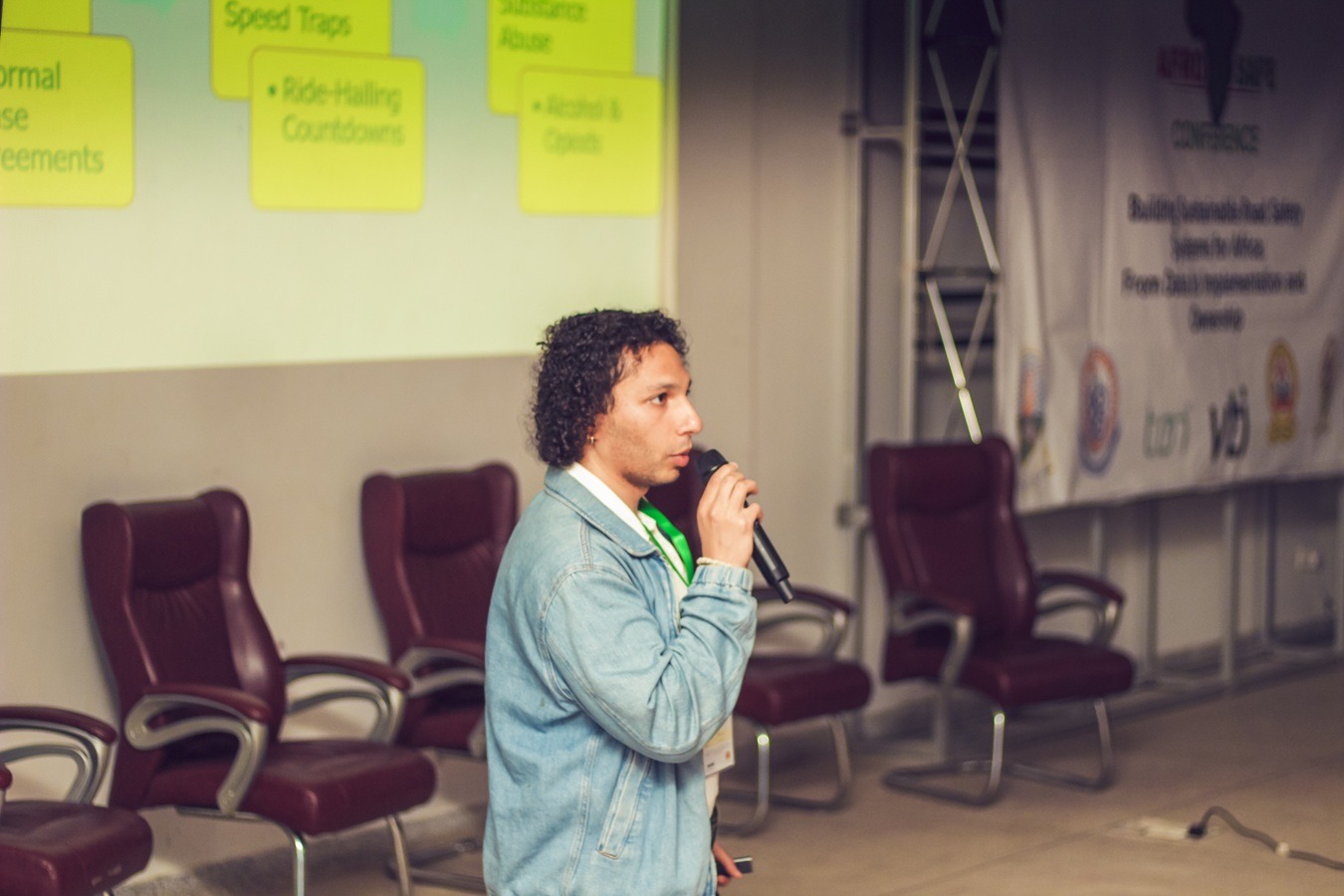
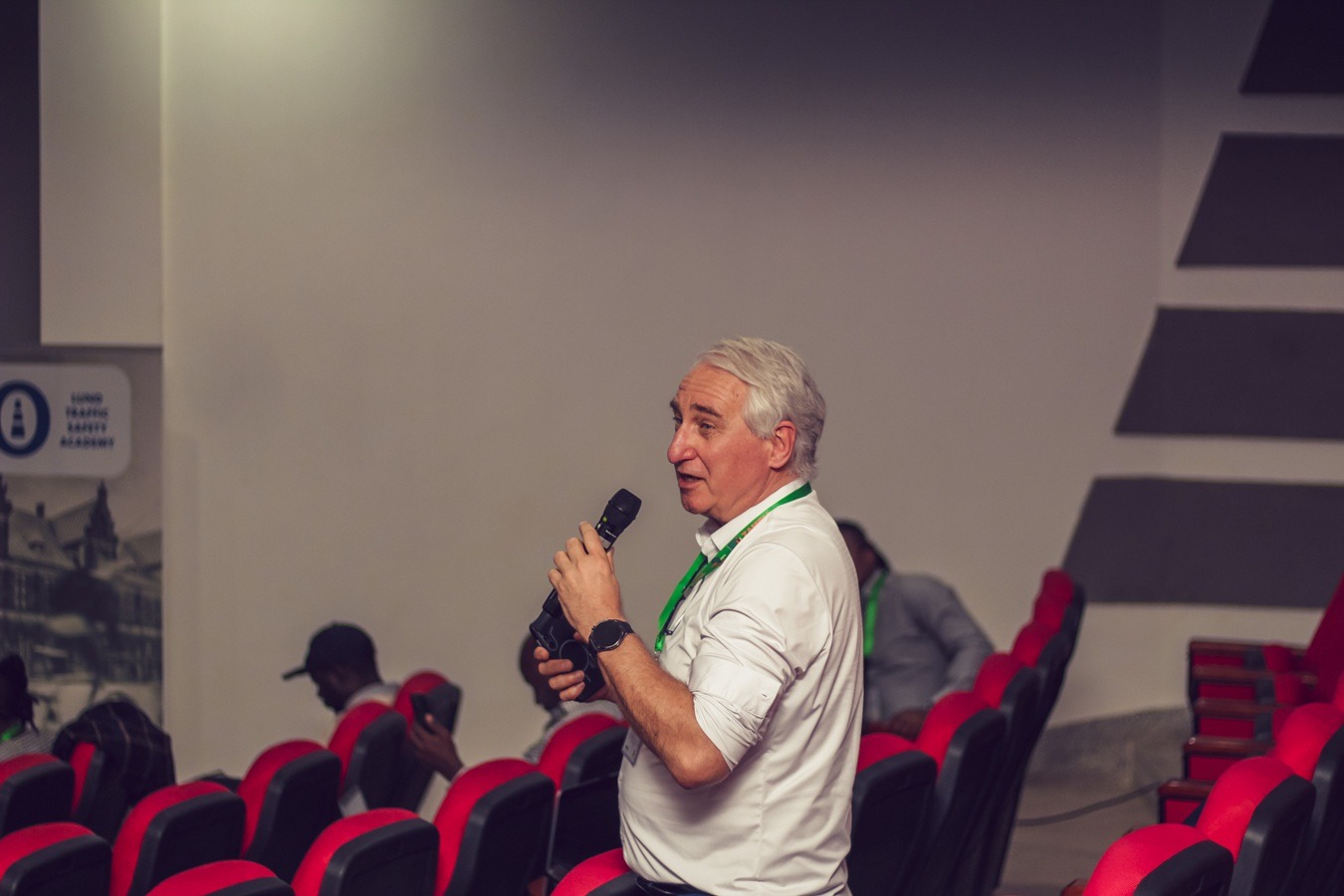
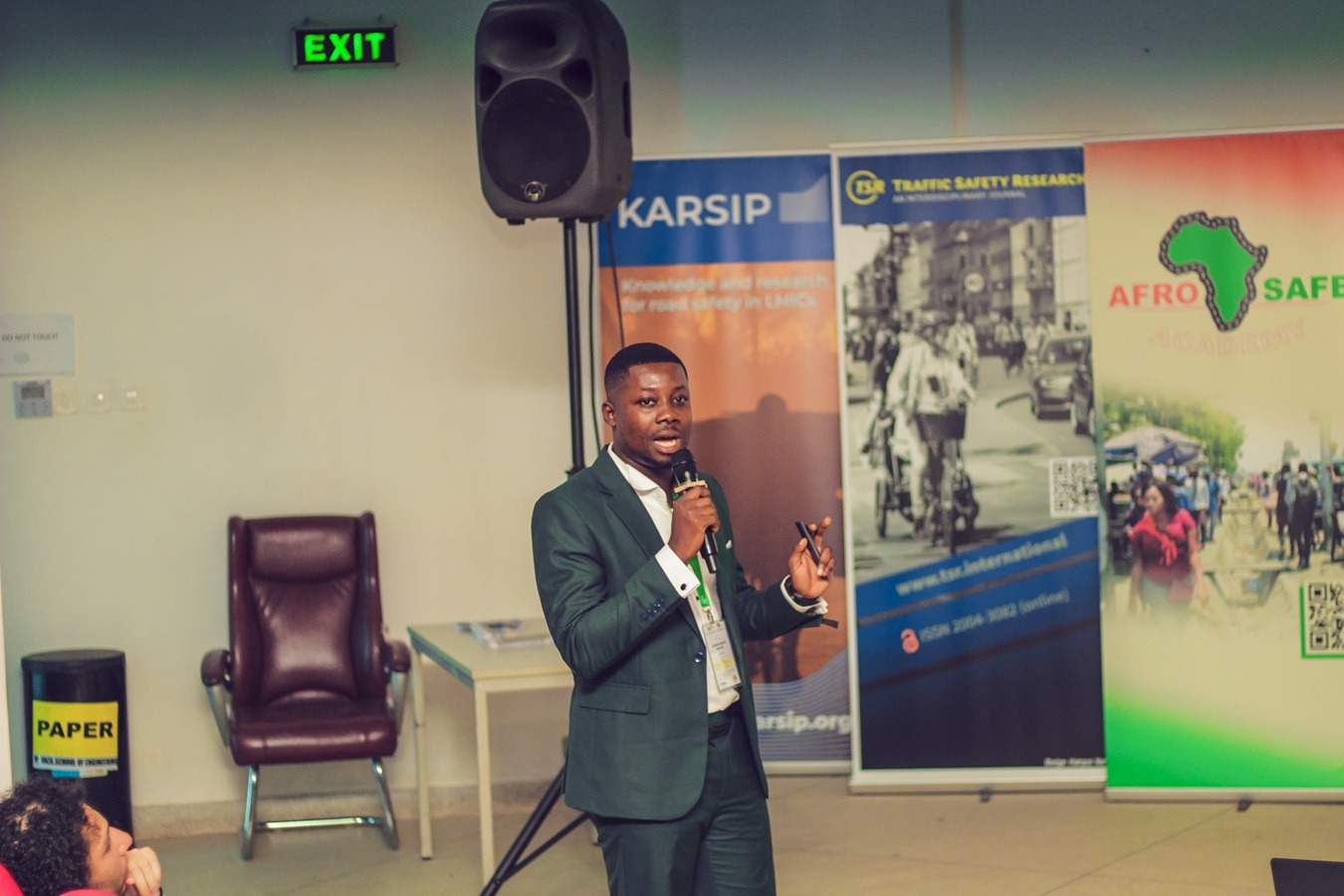
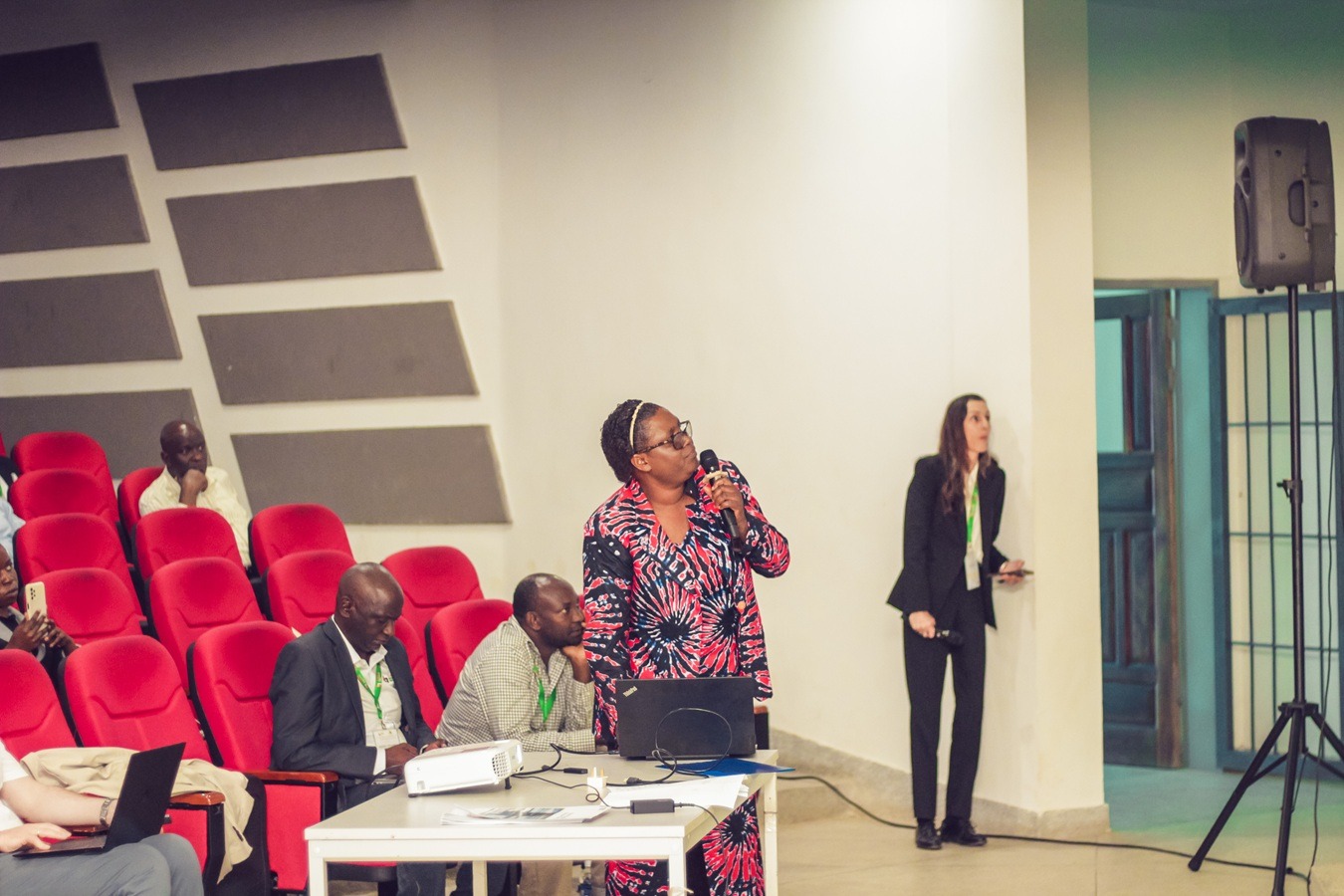
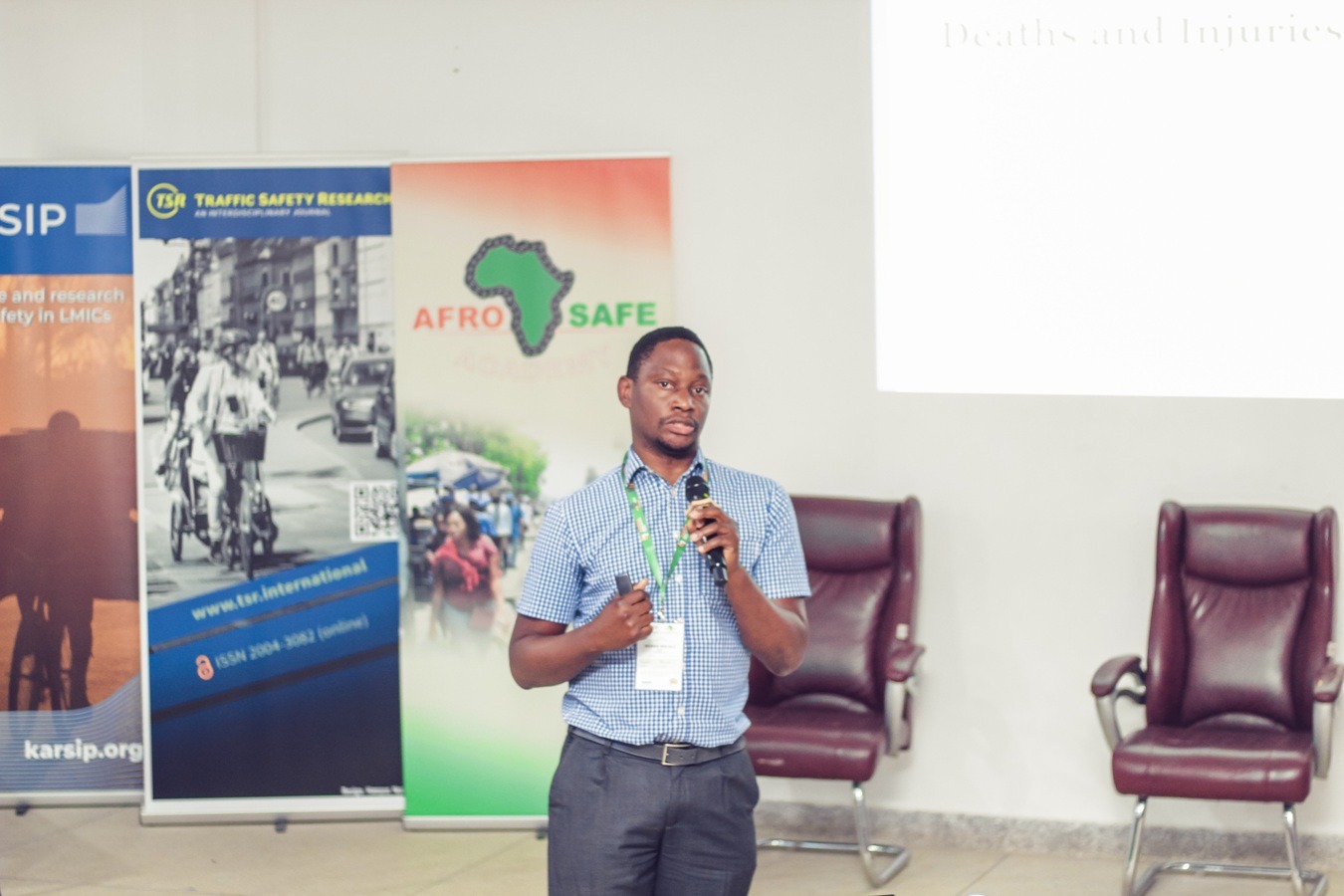
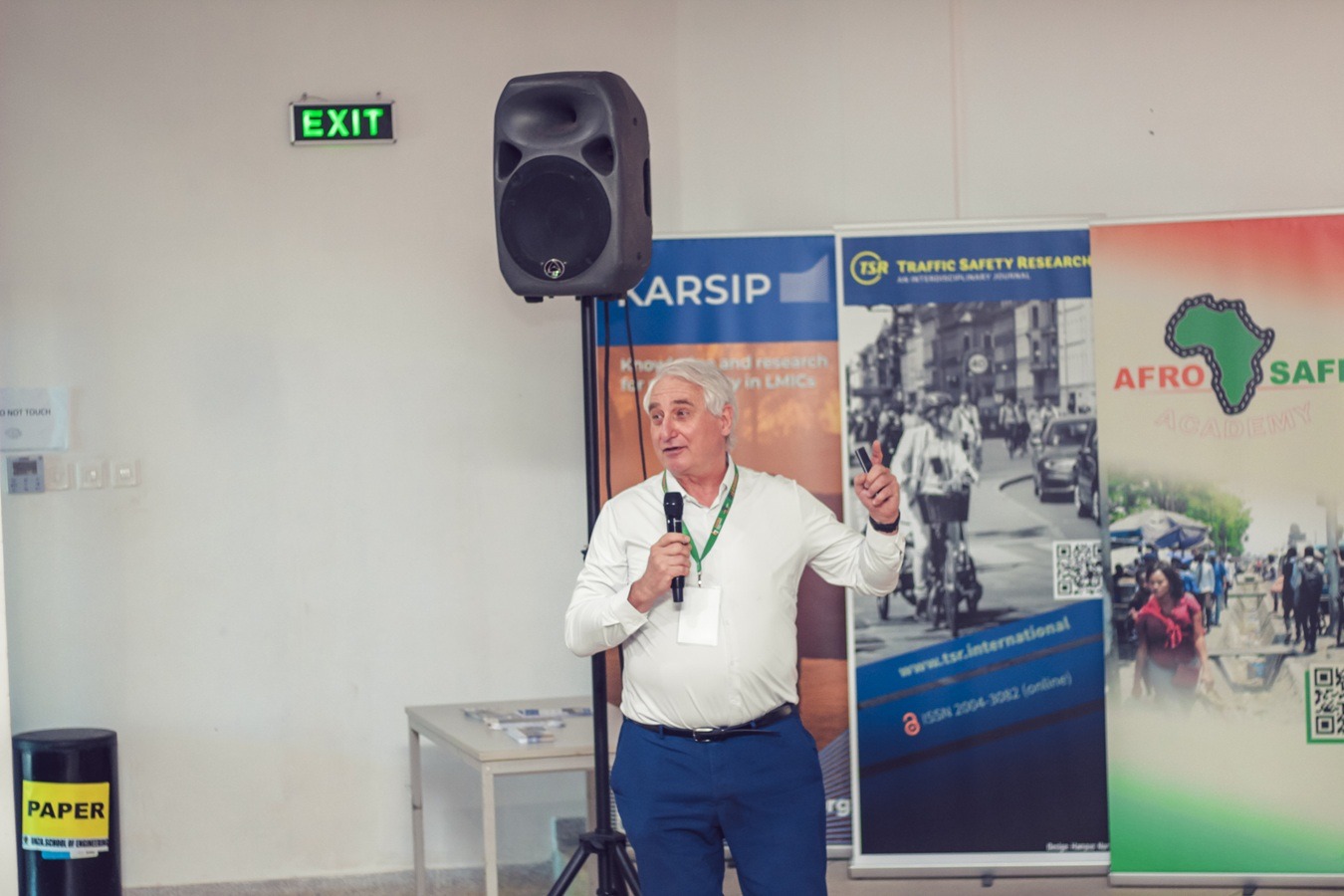
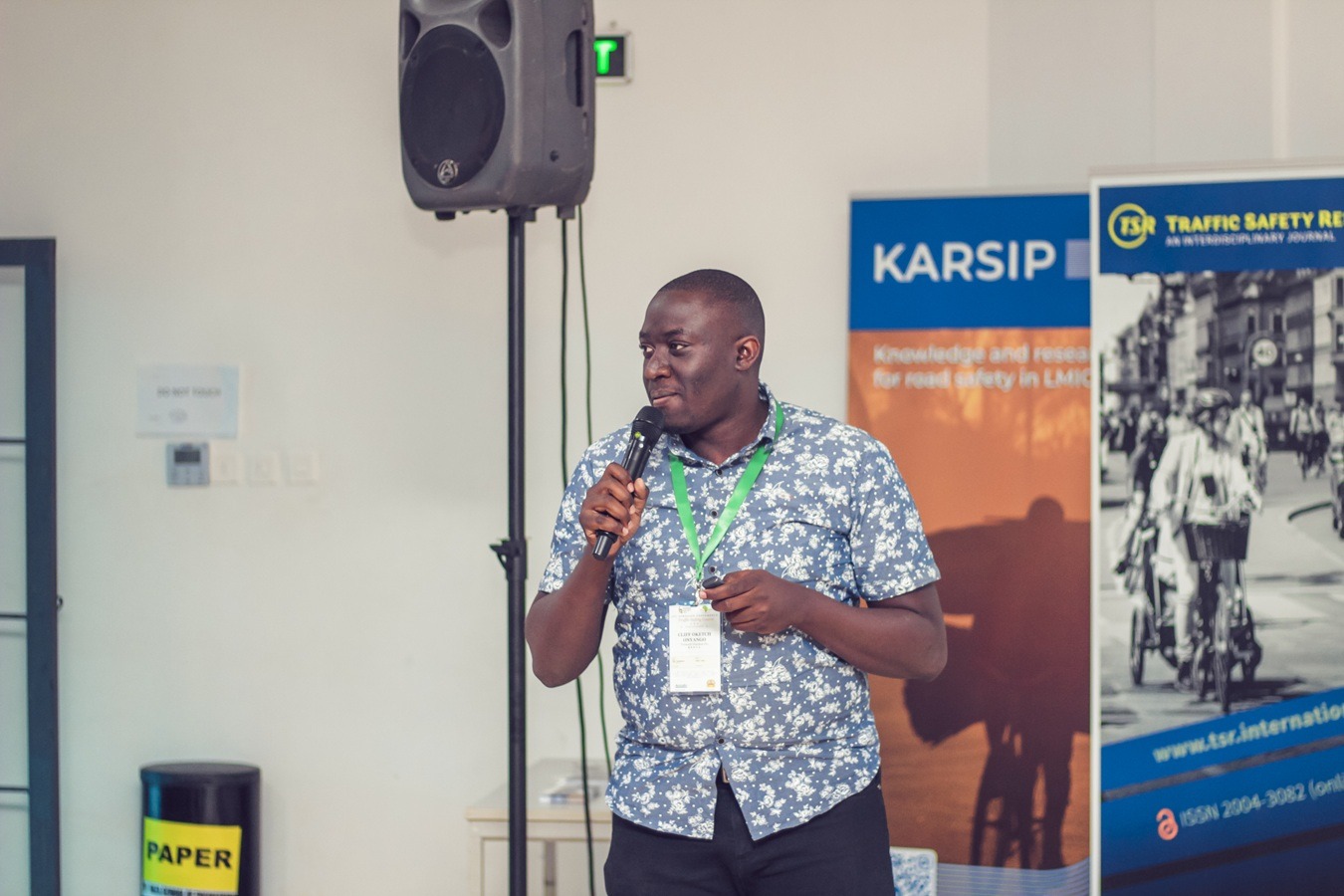
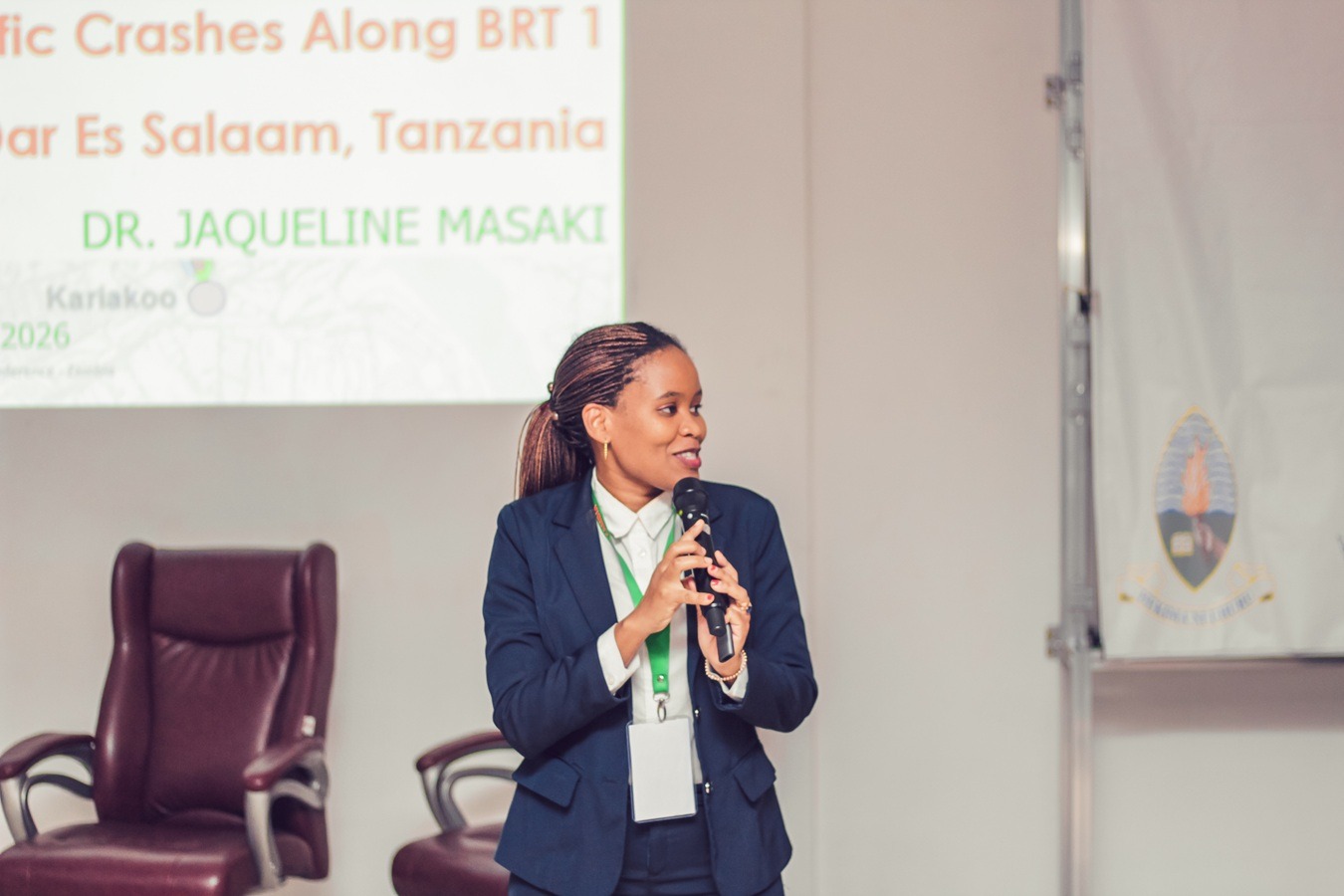
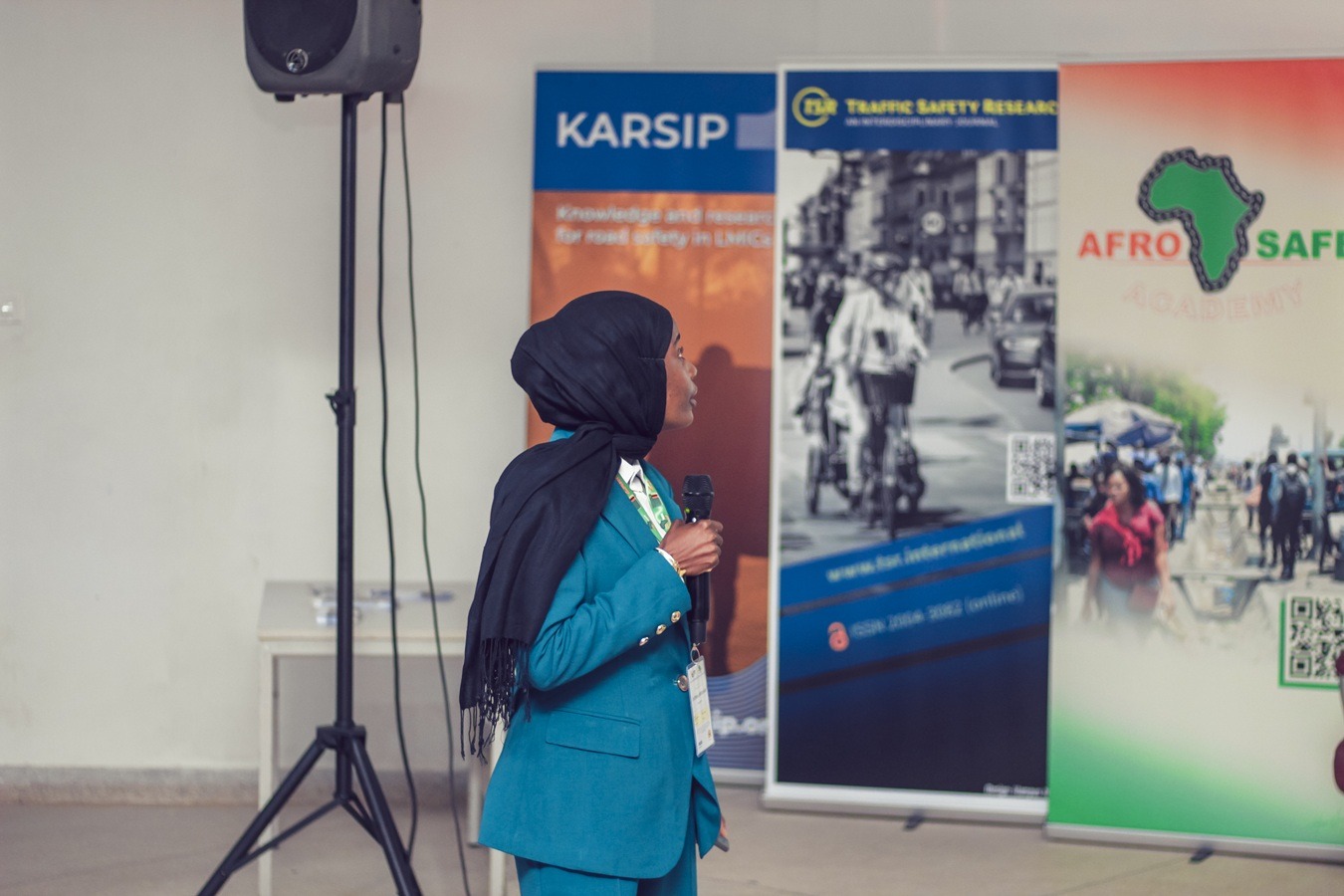
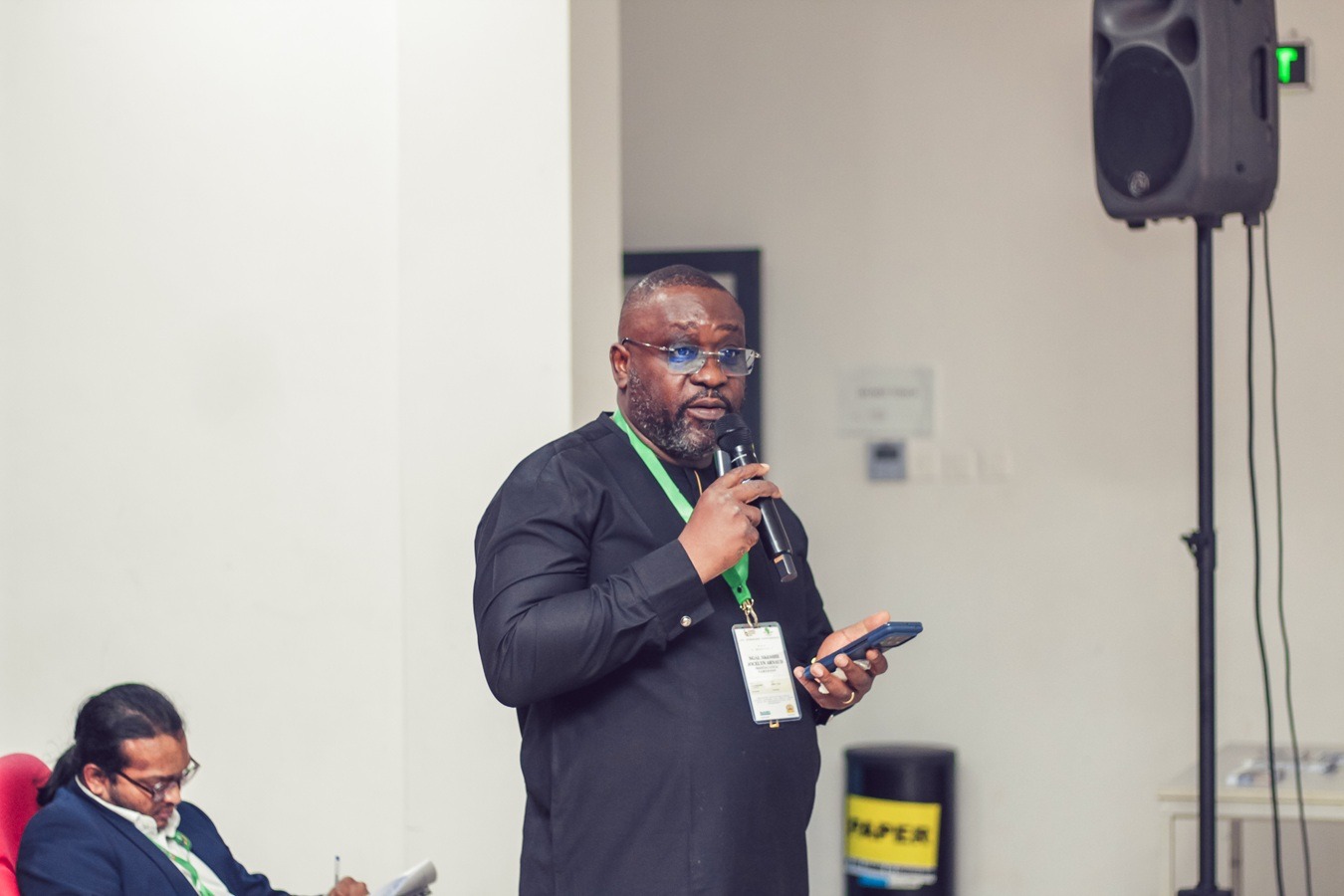
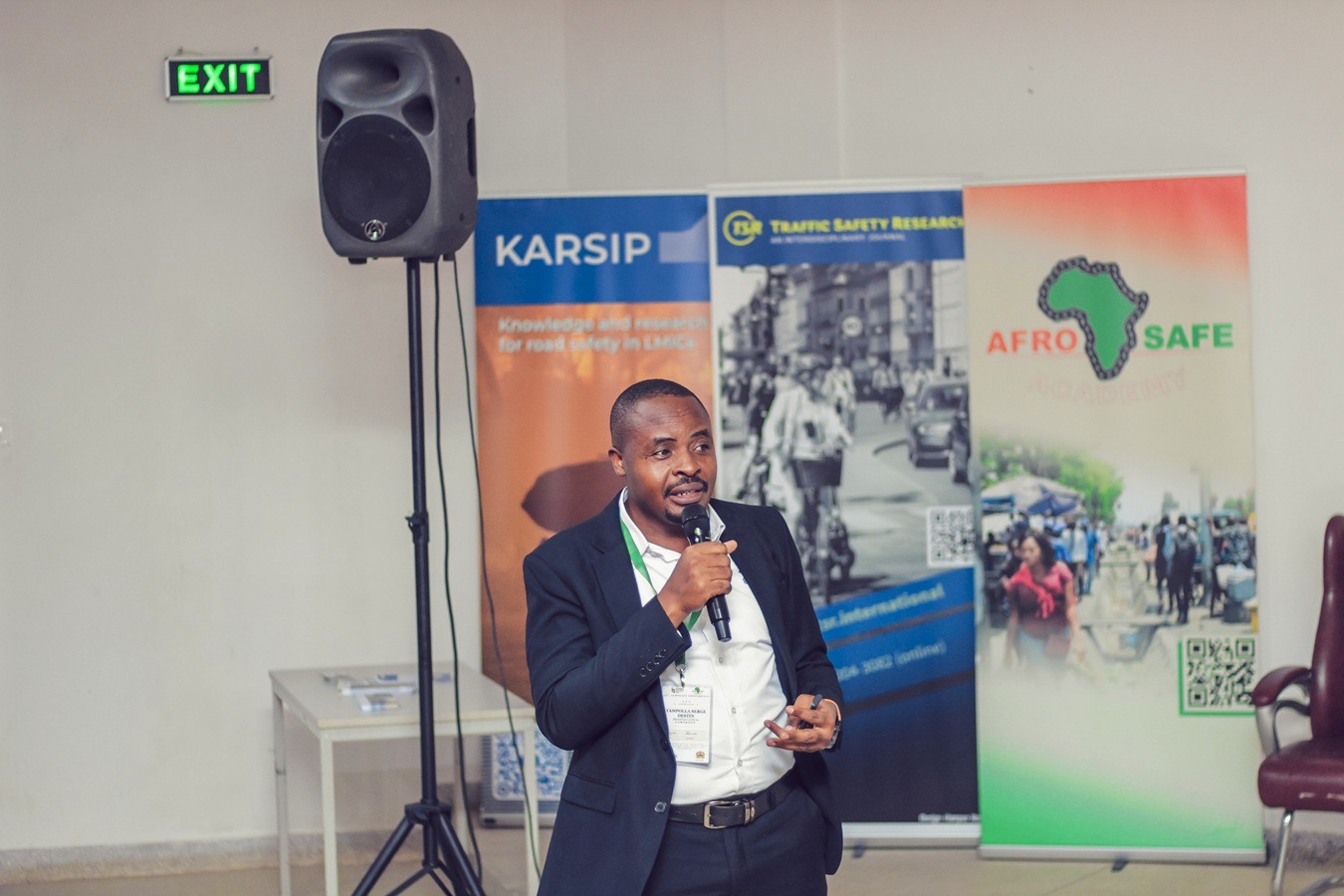
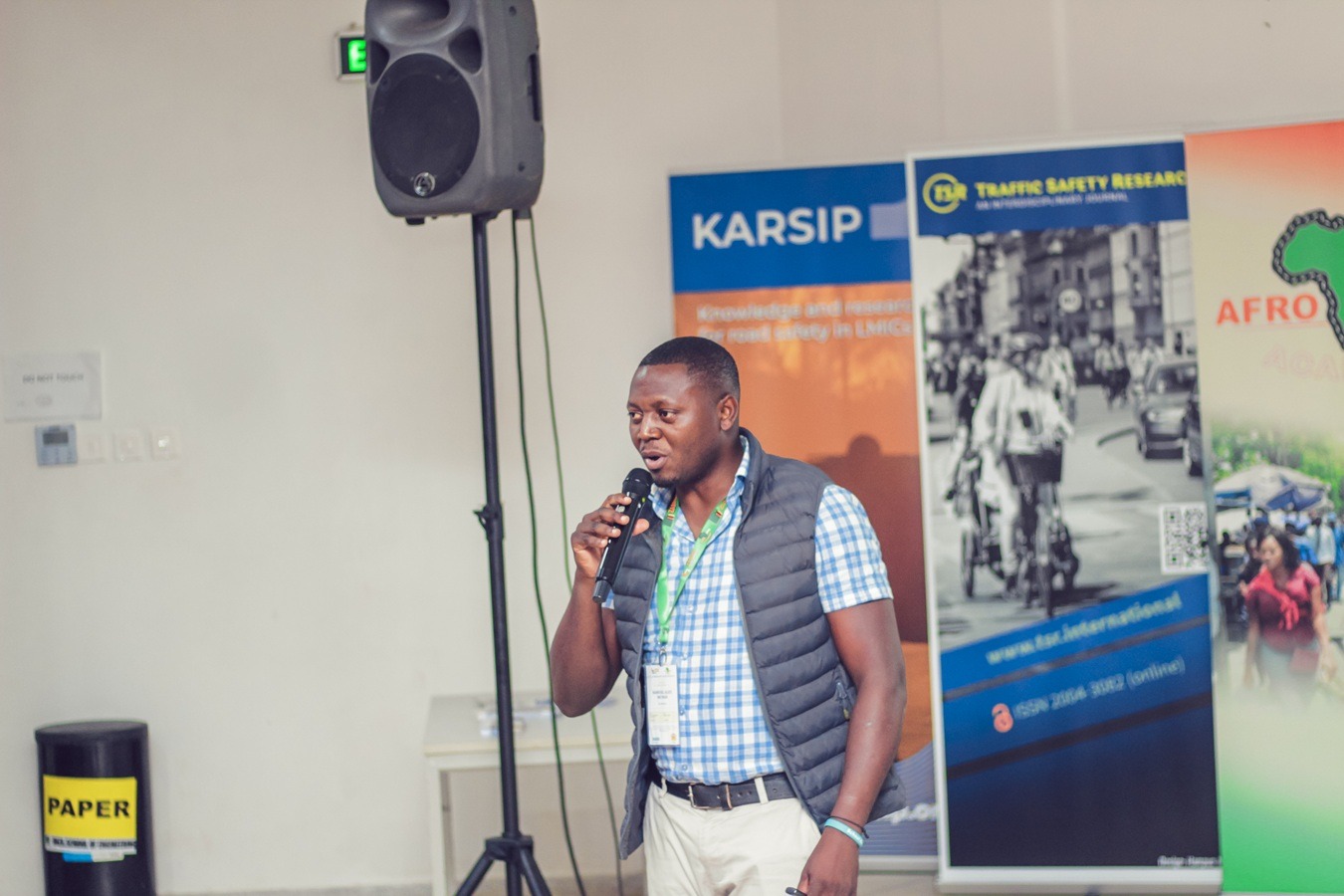


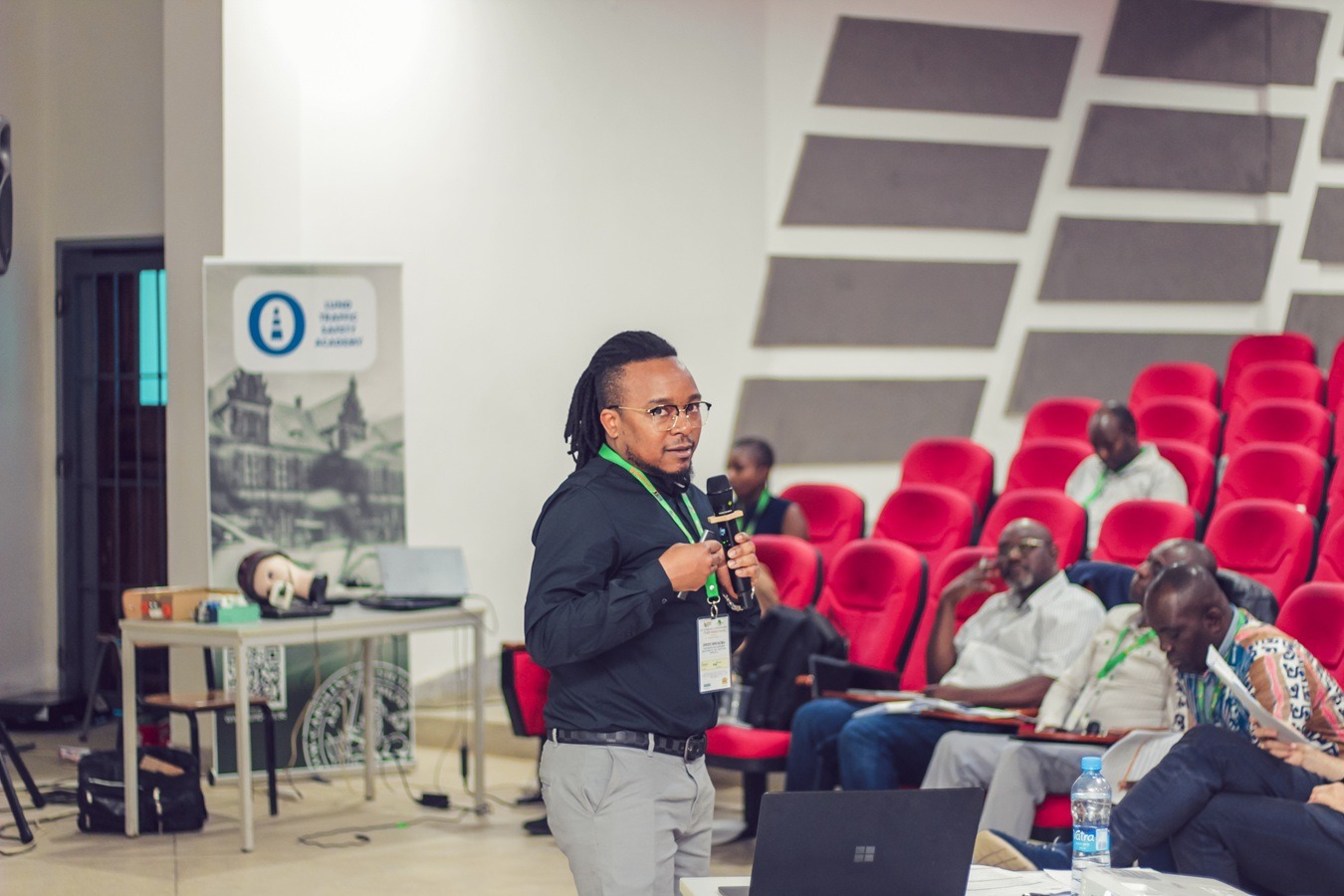
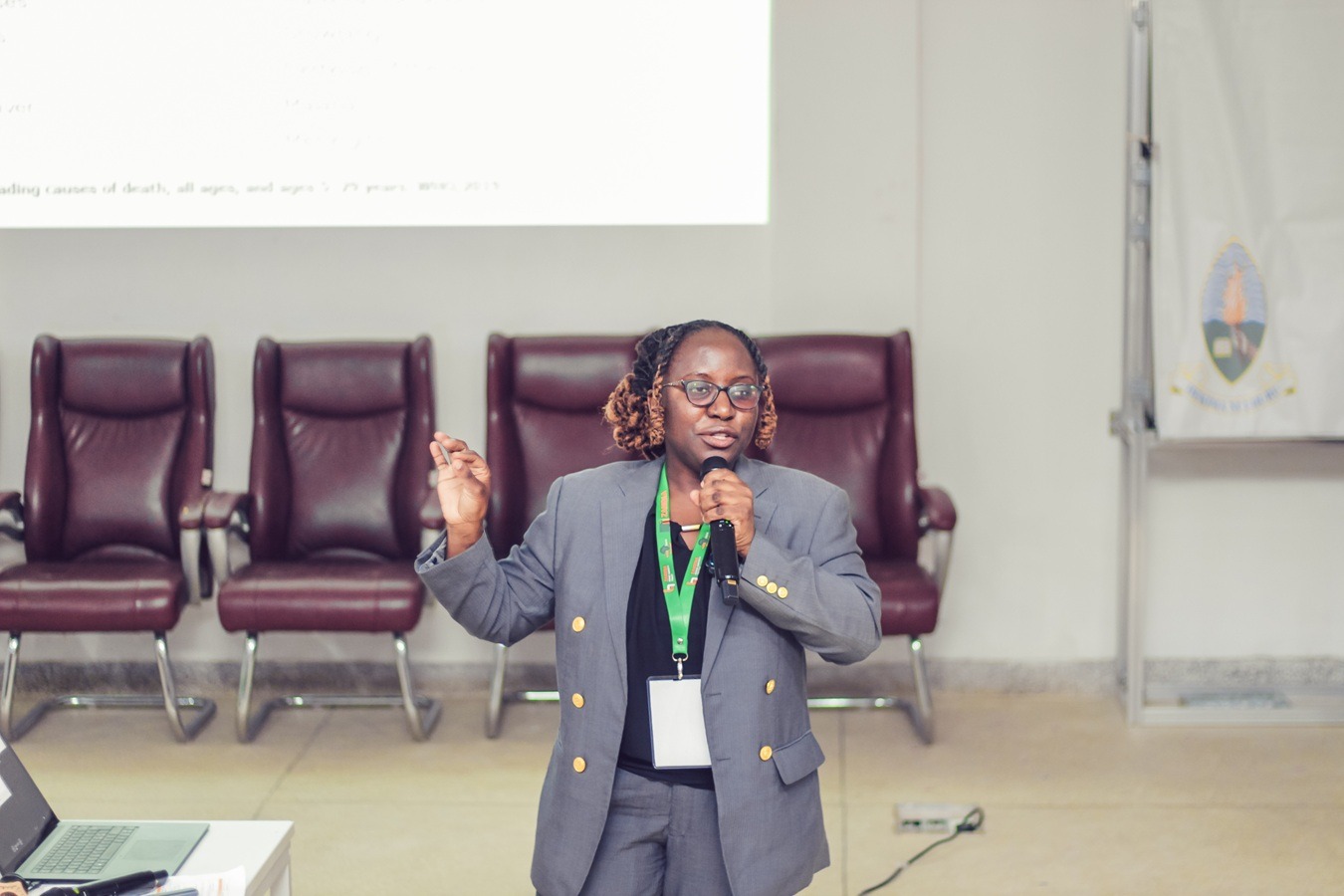
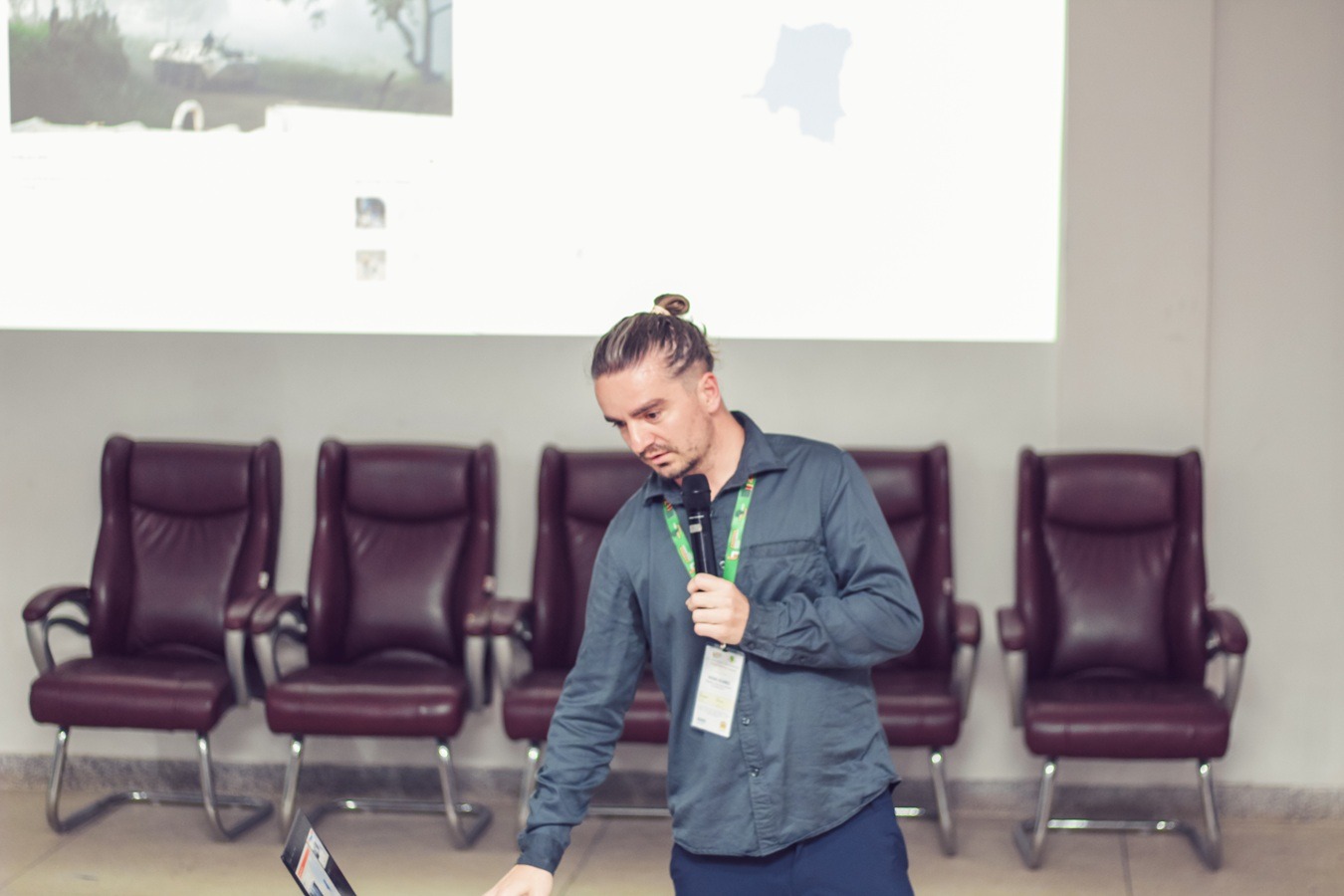
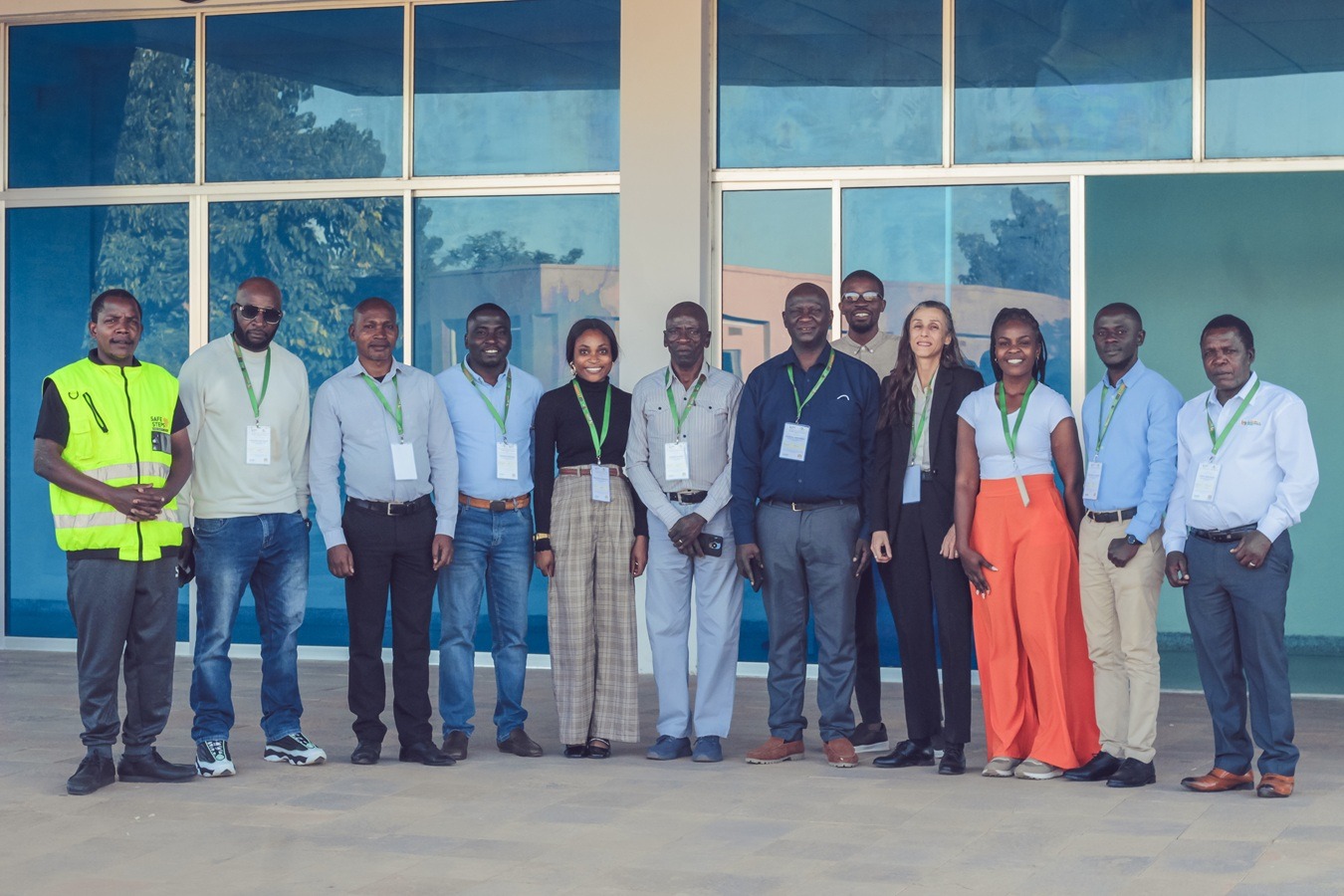
Social media
The hashtags #AfroSAFE_Academy and #afrosafe2026lusaka were used in communication related to the conference.
Publications
Conference participants are advised to submit full papers to the Traffic Safety Research journal (ISSN 2004-3082) that opens a special submission track in connection to the conference.
All submissions will be subject to the journal’s standard peer review process handled by the regular editorial team.
Submission period:
1 June—31 September 2026
Publication fees
Traffic Safety Research applies a production fee for the accepted manuscripts. The fee is kept intentionally low and is directly based on the upfront cost to prepare an ‘average’ TSR article for publication (no profit intended).
Discounts and full fee waivers are available for authors from low- and middle-income countries. Eligibility is determined by the country of the main affiliation of the first author—read more here.
Programme
8 June 2026: Traffic safety course, day I
‘Safe System approach to traffic safety’
‘Safe speeds’

Aliaksei Laureshyn is Associate Professor in traffic safety at Lund University, Sweden. His primary research interests deal with theory and practical use of pro-active methods in road safety analysis. Other research interests include emerging technologies for data collection in traffic, policy and practice in road safety work, particularly in the view of Vision Zero/Safe System paradigm.
Aliaksei Laureshyn is the editor-in-chief of the Traffic Safety Research journal.
‘Safety Performance Indicators’

Wouter Van den Berghe has two Master’s degrees in Engineering from Ghent University, Belgium, and a PhD in Transport Policy from UCL, London, UK. He has 40 years of professional experience in working with policymakers, private companies, non-profit organisations, and universities. Wouter has produced over hundred publications and has given numerous presentations all over the world, focusing on education, quality, and road safety. He is considered as a world expert in the field of road safety performance indicators. Currently he is a part-time key expert for the African Road Safety Observatory, where he coordinates capacity-building activities.
‘Safe infrastructure’

Anteneh Afework Mekonnen is a postdoctoral researcher at the Delft University of Technology, the Netherlands, specializing in road safety engineering and sustainable mobility planning across both the Global North and South. With a rich background in academia and industry, he connects research, education, and real-world policy, working to develop practical, impactful solutions for urban transport challenges.
9 June 2026: Traffic safety course, day II
‘Safe vehicles’

John-Fredrik Grönvall works at Chalmers Industriteknik, Sweden, dealing with field data related to traffic accidents and driving behaviour. Previously, he worked at Volvo Cars for over 20 years. John-Fredrik’s core expertise is in-depth crash investigation methods.

Tejas Chandran is a research engineer at Autoliv Global Research based in Vårgårda, Sweden. An engineer by education, he works as a project leader for Autoliv Global Governmental Affairs function and as a researcher within Human Factors at Autoliv Research. His focus areas include road safety in low- and middle-income countries, safety culture, and road safety footprint.
‘Promoting safe behaviour through education, campaigns, enforcement’

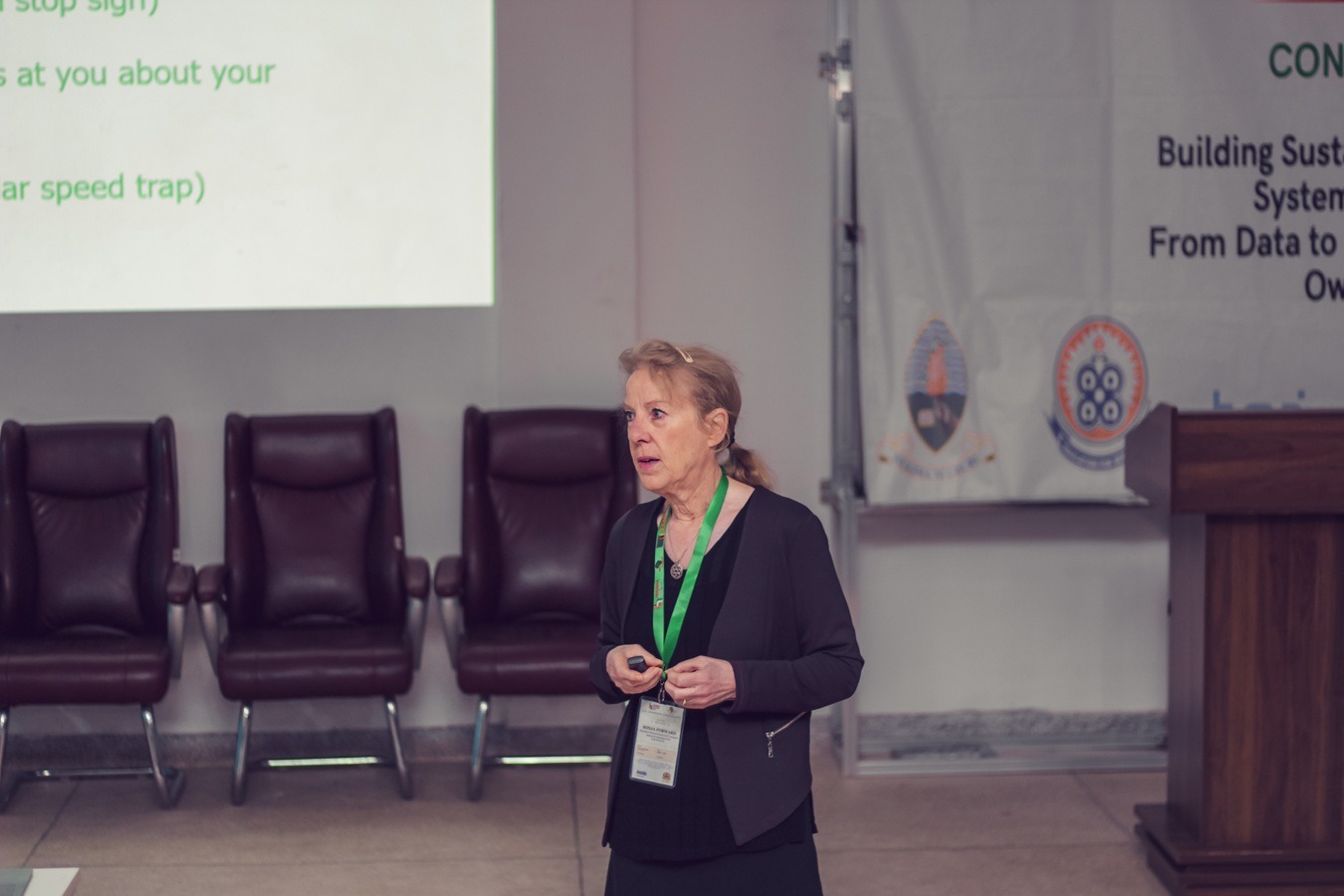
Sonja Forward is a psychologist and a research leader at the Swedish Road and Transport Research Institute (VTI) focusing on traffic safety and sustainable transport. Her research covers many areas but mainly psychological factors predicting behaviour and how unwanted behaviour can be changed, using education or campaigns. The methods used are both quantitative and qualitative.
‘Vulnerable road users’

Dr. Aslak Fyhri is an Environmental Psychologist and heads the Behaviour and Transport group at the Institute of Transport Economics (TØI) in Norway. His research interest lies with the promotion of sustainable behavior with a particular focus on studying the role of the vulnerable road users in an urban transport system. He has more than 25 years of experience doing applied environmental psychology research on traffic safety for vulnerable road users and mobility for all. Throughout these years, evaluations of infrastructure projects for local authorities has been at the core of his research activities.
‘Building sustainable road safety system in Zambia’

Ronald Fisa is a biostatistician, epidemiologist, and faculty member in the Department of Epidemiology and Biostatistics at the University of Zambia. He specializes in applying statistical methods to public health challenges, including study design, data modelling, and evidence generation. His work focuses on road traffic injuries and safe mobility, contributing to understanding risk factors and evaluating the effectiveness of road safety interventions. He has published research on modelling road traffic fatalities on Zambia’s Great North Road and on evidence-based interventions for preventing road traffic crashes, informing data-driven road safety policies.
‘Improving road safety in Africa—where do we move from here?’

Marianne Vanderschuren is Professor and Deputy Dean at the University of Cape Town, Republic of South Africa. She worked in the Netherlands at TNO Inro for over ten years before joining the University of Cape Town in 2000. Marianne has made a major contribution to teaching, research, and practice as an academic in the Centre for Transport Studies. She specializes in sustainable and intelligent transport and the protection of vulnerable road users.
10 June 2026: conference, day I
Keynote I: ‘Proactive measures to increase pedestrian safety in Zambia's growing road network’
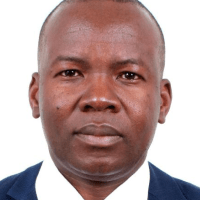
Orleans Mfune
University of Zambia
Zambia
Orleans Mfune is Dean of the School of Natural and Applied Sciences and former Head of the Department of Geographical Sciences, Environment and Planning at the University of Zambia. Before joining the University of Zambia, Orleans served as a District Planner in the Ministry of Local Government. His research work includes urban land governance and planning, rural-urban linkages and sustainability. Orleans holds a PhD in Geography from the University of Glasgow, Master’s degree in Human Ecology from Vrije Universiteit Brussels and a Bachelor’s degree in Geography from the University of Zambia.
Sponsor pitch: ‘Autoliv: Saving lives through mobility technology’

Autoliv is a worldwide leader in automotive safety systems. Through group companies, it develops, manufactures and markets protective systems, such as airbags, seatbelts, and steering wheels, for all major automotive manufacturers in the world as well as mobility safety solutions. Autoliv challenges and redefines the standards of mobility safety to sustainably deliver leading safety solutions. In 2025, Autoliv’s products saved approximately 40 000 lives and reduced 600 000 injuries. The company’s 64 000 associates in 25 countries are passionate about its vision of Saving More Lives.
Session 1: ‘Urban road safety, informal transport, and vulnerable road users’
Moderator: Aliaksei Laureshyn
Assessing commuters’ perceptions of road safety regulations and the effectiveness of enforcement strategies in Benue State, Nigeria
Adeke Paul Terkumbur
Mohamed M. H. Mostafa
Dillip Kumar Das
Dandy Ejeh Omale
Ragina Gitau
Owen Mwaura
Marianne Vanderschuren
Road safety in African informal transport: a systematic review of structural and behavioural risk factors (2020–2026)
Daniel Walden
Oliver Lah
Marc Hasselwander
James Marfo Owusu
Enoch F. Sam
…
Tor-Olav Naevestad
Foster Chileshe
Jeal Kahalawe
Session 2: ‘Pedestrian safety, school zones, and non-motorized mobility’
Moderators: Bridget Banda, Nathalie Chiavassa
Enoch F. Sam
Wafa Elias
…
Gift Dumedah
Explaining risk factors for pedestrian fatalities in Tanzania using a mixed-logit analysis
Carmelo D’Agostino
Filbert Francis
Piotr Olszewski
Aliaksei Laureshyn
Can perceived safety indicators measure road safety? Evidence from school-zone interventions in Lusaka, Zambia
Ary P. Silvano
Sonja Forward
…
Susan Mawele
Chilekwa O’Brien
Daniel Mwamba
Equity Dimensions of Road Traffic Injuries and Fatalities among Vulnerable Road Users in Zambia
Moses Mwale
Chuncky Kanchele
Mubanga Mulenga
Kelvin Mwangilwa
Info pitch: 'African Road Safety Observatory’

African Road Safety Observatory is a key African Union initiative aimed at strengthening road safety governance, data systems, and policy implementation across the continent. AfRSO serves as a regional platform enabling AU Member States to harmonize data collection, share best practices, and coordinate road safety strategies in line with the African Road Safety Charter and global commitments.
Session 3: ‘Digital innovation, AI, and data-driven road safety management’
Moderator: Tejas Chandran
Enhancing the scalability of iRAP road safety assessments in low- and middle-income countries: evidence from an AI-supported pilot study in Kenya
Cliff Onyango
Mattieu Levivier
Monica Abonyo
Drone technology for road traffic planning: enhancing data-driven road Safety Management in Zambia
Fatimah Chifungo
GIS-based accessibility study for emergency response to traffic crashes along BRT 1 corridor in Dar es Salaam, Tanzania
Jaqueline E. Masaki
Julius A. Mbepo
CERTIDOCS CT: an intelligent digital system for vehicle technical inspection, real-time governance, and AI-assisted automated enforcement to improve road safety in Cameroon
Jocelyn Nkenihe Ngae
DOSER: a 360° integrated digital ecosystem for road crash data management and evidence-based policies in Cameroon
Tampolla Serge Destin
Modelling road traffic accidents (RTAs) as a stochastic process using the negative binomial: a case of Kitwe central business district, Zambia
Samuel Alex Mungo
11 June 2026: conference, day II
Keynote speech II: ‘Driver anger, causes, consequences, and remedies’
Sonja Forward
Swedish Road and Transport Research Institute (VTI)
Sweden
Sonja Forward is a psychologist and a research leader at the Swedish Road and Transport Research Institute (VTI) focusing on traffic safety and sustainable transport. Her research covers many areas but mainly psychological factors predicting behaviour and how unwanted behaviour can be changed, using education or campaigns. The methods used are both quantitative and qualitative.
Session 4: ‘Emerging methods, AI, and future research'
Moderators: Denis Mwamba, Jaqueline Masaki
Evidenced-based interventions to improve and sustain safer mobility for all users in Africa
Nathalie Chiavassa
Fatalistic beliefs and traffic violation behaviour among drivers in Africa and Europe: a six-country comparative study
Anteneh Mekonnen
Haneen Farah
…
Emmanuel Kofi Adanu
Developing an integrated real-time road network system and framework anchored in safety, community empowerment and ownership in Africa
Lubinda Lubinda
Session 5: ‘Safe System G´governance, policy, and road user behaviour’
Moderators: Filbert Francis, Moses Mwale
Applying a ‘small wins’-approach to Safe System road safety management: policy implications in three African countries
Tor-Olav Nævestad
Enoch F. Sam
…
Lars E. Egner
Towards strengthening the integration of education, engineering, and enforcement within a Safe System framework in Zambia
Denis Mwaba
Chabota Kaliba
Perceived traffic safety in urban areas: implications for low- and middle-income countries
Aslak Fyhri
Lars Even Egner
Lars Böcker
Enhancing awareness of car safety features through face-to-face workshops
Sonja Forward
Thomas Miyoba
John-Fredrik Grönvall
Tejas Chandran
How fatal is fatal? How serious is serious? A content analysis of newspaper reportage on road crashes in Ghana
Enoch F Sam
Session 6: `Safe System frameworks, digital twins, international road safety transferability’
Moderators: Enoch F. Sam, Aslak Fyhri
Safe System maturity and Safe System readiness in three European and three African countries: results from a cross-national surveys
Tor-Olav Nævestad
Enoch F. Sam
…
Lars E. Egner
Care-responsive mobility: integrating Safe Systems principles into market centre design in emerging cities
Owen Mwaura
Peninah Ndegwa
Marianne Vanderschuren
Quantitative analysis of road traffic injuries in Africa: overcoming data gaps in evidence-based interventions of road safety
Sheila Masaku
Implementing Safe System and Vision Zero principles in the DRC: lessons from Europe and capacity building through AfroTrans project
Claude Takenga
Maombi Mbusa Masinda
…
Kyamakya Kyandoghere
12 June 2026
AfroSAFE project demonstration
In this event, the most important insights from the four years of the AfroSAFE poject were presented to the high-level stakeholder.
Horizon Europe information event

Horizon Europe is the EU’s key funding programme for research and innovation. Its indicative budget for the period 2021–2027 is EUR 93.5 billion.
In this event, participants had the opportunity to hear first-hand information on how African researcher can get access to the programme’s funding.
The event was hosted by the Delegation of the European Union to the African Union.
